
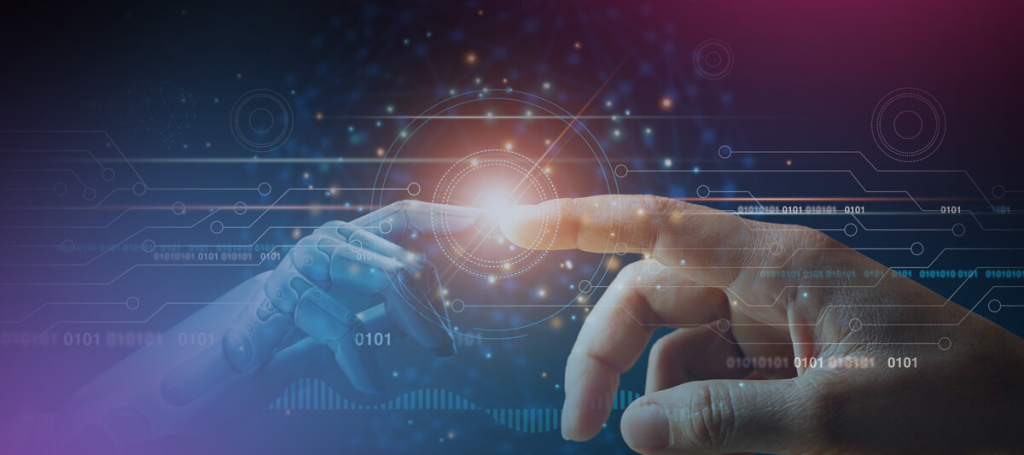
Modern innovation has become a continuous journey that shapes the way people live, work, communicate, and solve problems. Technology is no longer limited to occasional breakthroughs; instead, it evolves every day through improvements in artificial intelligence, automation, digital platforms, healthcare solutions, and sustainable practices. Businesses and individuals are constantly adapting to new tools and ideas that make processes faster, smarter, and more efficient. In this rapidly changing environment, digital platforms and emerging technologies continue to influence industries worldwide, including areas connected with brands like luxury111cz.com, where innovation and modern approaches reflect changing consumer expectations.
The Role of Technology in Continuous Innovation
Technology serves as the foundation of modern innovation. Every year, new advancements introduce better ways to complete tasks, manage resources, and improve user experiences. From smartphones and cloud computing to artificial intelligence and advanced robotics, technology has transformed traditional methods into more flexible and intelligent systems.
Companies now rely on digital solutions to understand customer behavior, improve productivity, and create personalized services. Data analysis allows organizations to identify trends, predict future demands, and make informed decisions. This ability to use information effectively has become one of the most important factors driving innovation.
The evolution of technology is not only about creating completely new inventions. Many innovations come from improving existing systems. A faster application, a more secure payment method, or a smarter device can significantly change how people interact with technology.
Artificial Intelligence Driving the Future
Artificial intelligence has become one of the most influential innovations of the modern era. AI systems are designed to analyze information, recognize patterns, and perform tasks that traditionally required human intelligence. Businesses across different sectors are using artificial intelligence to improve efficiency and create better solutions.
In healthcare, AI assists doctors in diagnosing diseases, analyzing medical images, and developing treatment strategies. In education, artificial intelligence supports personalized learning by adapting content according to individual student needs. In business, AI-powered tools help automate repetitive tasks, improve customer service, and enhance decision-making.
The evolution of AI continues as researchers develop more advanced models capable of understanding complex information. As artificial intelligence becomes more integrated into daily life, it will continue to transform industries and create new opportunities.
The Growth of Smart Devices and Connected Technology
The rise of smart devices represents another major stage in technological evolution. The Internet of Things (IoT) has connected everyday objects, allowing them to communicate and exchange information. Smart homes, wearable devices, and connected vehicles are examples of how technology is becoming more integrated into personal and professional environments.
Smart devices provide convenience by automating routine activities. Home systems can control lighting, temperature, and security features through digital applications. Wearable technology can monitor health information and provide valuable insights into personal wellness.
As connectivity improves, future innovations will create even more advanced ecosystems where devices work together seamlessly. Faster networks and improved sensors will continue expanding the possibilities of connected technology.
Advancements in Healthcare Innovation
Healthcare is one of the industries experiencing significant transformation through modern innovation. New technologies are improving diagnosis, treatment, and patient care while making healthcare services more accessible.
Telemedicine has changed how patients communicate with healthcare professionals, allowing remote consultations and reducing barriers to medical support. Advanced medical equipment, robotic surgery, and digital health records have improved accuracy and efficiency within healthcare systems.
Biotechnology is also progressing rapidly, creating new opportunities in areas such as personalized medicine and genetic research. These developments demonstrate how innovation can directly improve quality of life and address complex global challenges.
Sustainable Innovation and Environmental Solutions
Modern innovation is increasingly focused on sustainability. As environmental concerns grow, researchers and organizations are developing technologies that reduce waste, conserve energy, and protect natural resources.
Renewable energy solutions, including solar and wind technologies, are becoming more efficient and affordable. Electric vehicles are changing transportation by reducing dependence on traditional fuels. Smart agriculture systems are helping farmers use water and resources more effectively.
Sustainable innovation is not only beneficial for the environment but also creates new economic opportunities. Companies are discovering that environmentally responsible practices can improve efficiency, reduce costs, and meet the expectations of modern consumers.
The Transformation of Business Through Digital Innovation
Businesses today are constantly evolving due to digital transformation. Online platforms, automation tools, and advanced analytics have changed how companies operate and compete in global markets.
Digital marketing has allowed businesses to reach customers more effectively through targeted campaigns and personalized experiences. E-commerce platforms have changed shopping habits by providing convenient access to products and services worldwide.
Automation has also improved business operations by reducing manual workloads and increasing accuracy. From inventory management to customer support, digital tools help organizations provide faster and more reliable services.
The future of business innovation will continue to depend on the ability to adapt to new technologies and changing consumer expectations.
The Impact of Robotics and Automation
Robotics and automation are playing a major role in modern innovation. Industries such as manufacturing, logistics, agriculture, and healthcare are adopting robotic systems to improve productivity and safety.
Modern robots are becoming more advanced, capable of performing complex tasks with greater precision. Automated systems help companies reduce errors, increase efficiency, and handle dangerous work environments.
Although automation changes the nature of many jobs, it also creates new opportunities in technology development, programming, maintenance, and system management. The relationship between humans and machines will continue evolving as automation becomes more common.
The Importance of Cybersecurity in an Innovative World
As technology advances, protecting digital information becomes increasingly important. The growth of online services, cloud systems, and connected devices has created new challenges related to cybersecurity.
Organizations must invest in strong security measures to protect sensitive data and maintain customer trust. Modern cybersecurity innovations include advanced encryption, artificial intelligence-based threat detection, and improved authentication methods.
The future of digital innovation depends not only on creating new technologies but also on ensuring that these technologies remain safe and reliable.
The Future of Innovation and Human Creativity
Despite rapid technological progress, human creativity remains the driving force behind innovation. Technology provides powerful tools, but people continue to create ideas, develop solutions, and imagine new possibilities.
Future innovations will likely combine human intelligence with advanced technologies to solve complex problems. Collaboration between scientists, engineers, businesses, and communities will play an essential role in developing solutions for future generations.
Education will also become increasingly important as individuals need new skills to adapt to changing technologies. Learning about digital tools, creative thinking, and problem-solving will help people participate in the evolving technological landscape.
Conclusion
Modern innovations continue to evolve because human needs, challenges, and expectations are constantly changing. Technology has transformed nearly every aspect of life, from communication and healthcare to business and environmental protection. Artificial intelligence, smart devices, automation, and sustainable solutions are only some examples of the advancements shaping the future.
The evolution of innovation is an ongoing process that depends on creativity, research, and the willingness to embrace change. As new technologies continue to develop, they will create opportunities for improvement, efficiency, and progress. By understanding and adapting to these changes, individuals and organizations can successfully navigate the future and benefit from the endless possibilities of modern innovation.