
Introduction
The digital world is continuously evolving, bringing new technologies and opportunities that are changing the way people work, communicate, shop, and entertain themselves. Businesses and individuals are adopting innovative digital solutions to improve efficiency, security, and user experiences. Staying updated with the latest digital trends has become essential for anyone who wants to remain competitive in today’s fast-moving environment. Exploring new technologies can help people discover smarter ways to solve problems and create better digital experiences.
As online platforms continue to expand, users are becoming more interested in secure, convenient, and engaging digital solutions. Many emerging trends are influencing industries worldwide, from artificial intelligence and automation to immersive technologies and advanced cybersecurity. Platforms such as mild88a1.com are also part of the growing digital landscape where modern users explore new online experiences and services.
Artificial Intelligence Becoming More Advanced
Artificial intelligence (AI) has become one of the most influential digital trends of recent years. AI systems are now capable of analyzing large amounts of information, improving decision-making, and automating tasks that previously required human effort. From virtual assistants to recommendation systems, artificial intelligence is becoming a normal part of everyday digital interactions.
Businesses are using AI to improve customer support, personalize marketing campaigns, and increase productivity. AI-powered chatbots can provide instant responses, while machine learning algorithms help companies understand customer behavior. As technology continues to improve, artificial intelligence is expected to become even more accurate and useful across different industries.
Another important development is generative AI, which allows machines to create content such as text, images, videos, and software code. This technology is helping professionals save time and explore new creative possibilities. The increasing adoption of AI shows that intelligent digital tools will continue to shape the future.
The Growth of Digital Automation
Automation is another major trend transforming modern digital environments. Organizations are using automated systems to complete repetitive tasks faster and with fewer errors. This allows employees to focus on more strategic and creative responsibilities.
Robotic process automation, smart workflows, and automated customer services are becoming common in many industries. Companies are integrating automation to reduce operational costs and improve overall performance. Small businesses are also benefiting from affordable digital automation tools that help them compete with larger organizations.
In the future, automation will likely become more connected with artificial intelligence, creating systems that can learn, adapt, and make independent decisions. This combination will provide businesses with more efficient ways to manage daily operations.
Increased Focus on Cybersecurity
With the rapid growth of digital services, cybersecurity has become more important than ever. More online activities mean more opportunities for cyber threats, data breaches, and privacy concerns. Organizations and individuals are now investing heavily in security solutions to protect sensitive information.
Modern cybersecurity strategies include stronger authentication methods, advanced encryption, and real-time threat detection. Businesses are also educating employees about online safety because human awareness plays a major role in preventing security issues.
As digital platforms continue to expand, cybersecurity will remain a key priority. Future technologies will focus on creating safer online environments where users can interact confidently without worrying about privacy risks.
The Expansion of Cloud Computing
Cloud computing has changed the way people store, manage, and access digital information. Instead of relying only on physical devices, users can now access applications and data through online cloud platforms. This flexibility has made cloud technology valuable for businesses, educational institutions, and individuals.
Companies are adopting cloud solutions because they provide scalability, cost savings, and easier collaboration. Employees can work remotely while accessing important files and tools from different locations. Cloud-based services also support faster software updates and improved system reliability.
The future of cloud computing will include more advanced solutions such as edge computing, which processes information closer to where data is generated. This will help improve speed and performance for applications that require instant responses.
The Rise of Extended Reality Technologies
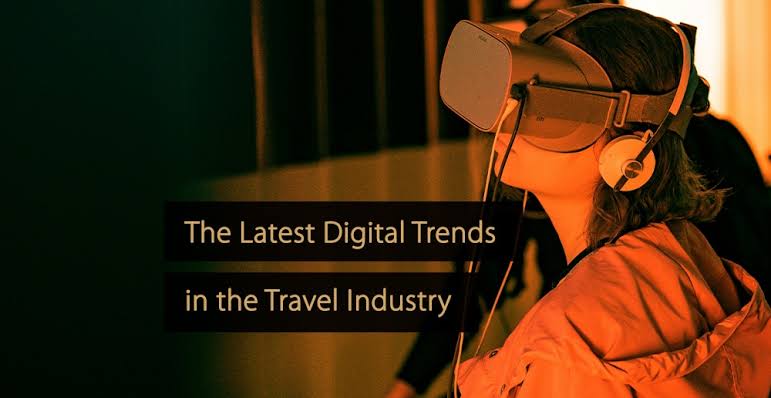
Extended reality (XR), including virtual reality (VR) and augmented reality (AR), is creating new ways for people to interact with digital content. These technologies combine physical and digital environments to provide immersive experiences.
Industries such as gaming, education, healthcare, and retail are exploring the benefits of extended reality. Students can experience interactive learning environments, customers can preview products virtually, and professionals can receive realistic training simulations.
As hardware becomes more affordable and software improves, extended reality is expected to become more accessible. These technologies may transform entertainment, communication, and professional training in the coming years.
The Development of Smart Devices and the Internet of Things
The Internet of Things (IoT) is connecting everyday devices to the internet, allowing them to collect and exchange information. Smart homes, wearable devices, and connected appliances are examples of how IoT is becoming part of modern life.
Smart devices provide convenience by allowing users to control systems remotely and automate daily activities. Businesses are also using IoT technology to monitor equipment, improve supply chains, and collect valuable data.
Future IoT developments will focus on better connectivity, improved security, and more intelligent decision-making. As more devices become connected, the digital environment will become increasingly interactive and responsive.
Digital Payment Innovations
Digital payment systems are changing the way people complete financial transactions. Mobile wallets, contactless payments, and online banking services are becoming increasingly popular because they offer speed and convenience.
Consumers now expect simple and secure payment options when shopping online or using digital services. Businesses are adapting by offering multiple payment methods to improve customer satisfaction.
Future payment technologies may include more advanced security features, faster transaction processing, and greater integration with artificial intelligence. The growth of digital payments demonstrates how technology is reshaping financial experiences.
Personalization Through Data Analytics
Data analytics is helping businesses understand users better and provide personalized experiences. Companies collect and analyze information to identify customer preferences, improve services, and create targeted solutions.
Personalization can be seen in online shopping recommendations, customized content suggestions, and tailored advertisements. These approaches help businesses build stronger relationships with customers by providing more relevant experiences.
However, responsible data management is essential. Organizations must balance personalization with privacy protection to maintain user trust and comply with digital security standards.
The Importance of Sustainable Digital Technologies
Sustainability is becoming an important consideration in digital innovation. Technology companies are exploring ways to reduce energy consumption, improve efficiency, and create environmentally friendly solutions.
Green data centers, energy-efficient devices, and sustainable software development practices are examples of how the digital industry is becoming more environmentally responsible. Businesses are recognizing that technological growth should also support environmental goals.
As awareness increases, sustainable digital solutions will likely become a major focus for future innovation.
The Future of Digital Experiences
The future of digital technology will be shaped by the combination of multiple trends working together. Artificial intelligence, cloud computing, cybersecurity, automation, and immersive technologies will continue to influence how people interact with digital platforms.
Users will expect faster, safer, and more personalized experiences. Businesses that adapt to these changes will have better opportunities to grow and remain competitive. Digital transformation is no longer only an option; it has become an important part of modern success.
Exploring emerging technologies allows individuals and organizations to prepare for future challenges and opportunities. Whether it is improving productivity, enhancing communication, or creating new forms of entertainment, digital trends will continue to redefine everyday life.
Conclusion
New digital trends are opening doors to exciting possibilities across different industries and communities. Technologies such as artificial intelligence, automation, cloud computing, cybersecurity, and extended reality are changing how people interact with the digital world.
Keeping up with these developments helps individuals and businesses make smarter decisions and take advantage of new opportunities. As technology continues to evolve, exploring innovative digital solutions will remain essential for building a more connected, efficient, and secure future.